
The concept of trimming your trees seems simple, but when you get in the weeds, you soon realize there’s a lot more to it. Navigating the intricacies of tree trimming in the towns and cities of Massachusetts’ MetroWest region can often seem like a journey through an uncharted wilderness.
Whether you’re puzzled about the right time for tree trimming, concerned about the safety of your trees near power lines, or curious about winter pruning benefits, this article serves as your definitive source for tree trimming FAQs.
Key Takeaways
- Winter is the ideal time for tree trimming in Massachusetts because trees are dormant, diseases and pests are inactive, and the tree structure is fully visible without leaves.
- Winter pruning provides crucial nor’easter protection by removing weak branches before storm season, which runs from October through April.
- Professional tree trimming is essential for safety and tree health, as improper techniques can kill trees or cause serious injury.
- Never remove more than 25% of a tree’s foliage in a single year, and avoid common mistakes like topping, over-pruning, and applying wound dressing to cuts.
- Local permits may be required for tree trimming depending on your municipality, tree size, and location, especially for street trees or those near wetlands.
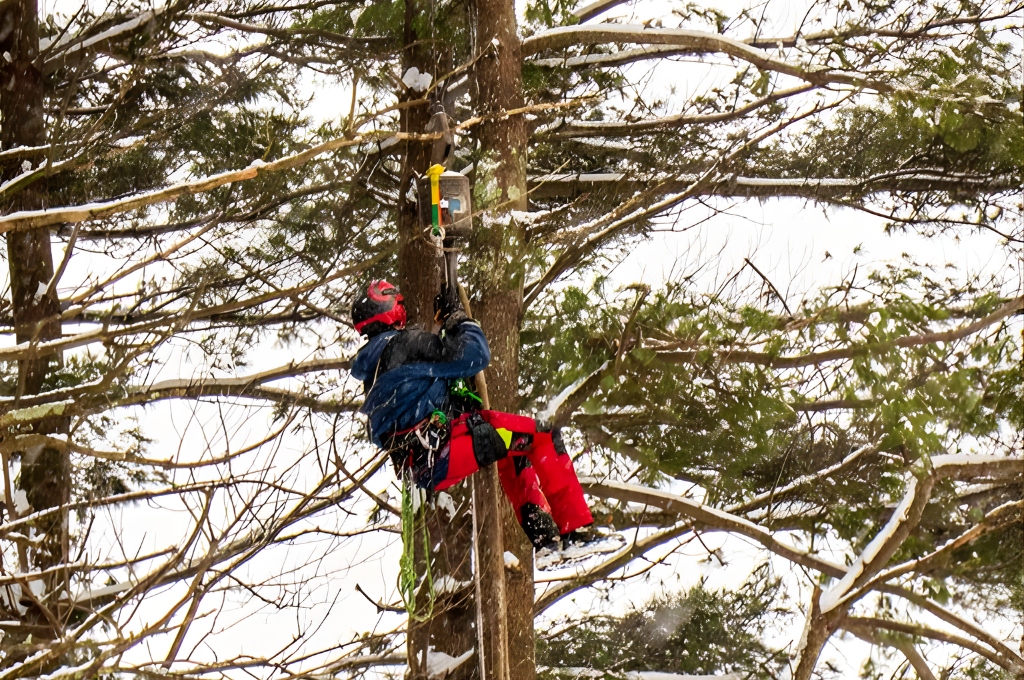
Specialized equipment and professional training ensure safe tree trimming operations that homeowners should never attempt on their own.
Tree Trimming Basics
Understanding the fundamentals of tree trimming helps homeowners make informed decisions about their tree care needs. These essential questions cover what tree trimming involves, why it’s beneficial, and how often it should be performed.
What is tree trimming?
Tree trimming is the process of selectively removing branches from a tree to ensure healthy growth, maintain its desired shape and size, and enhance its aesthetic appeal. It’s primarily focused on the outer envelope of the tree to manage its structural integrity. Trimming is often performed to prevent branches from:
- Obstructing views
- Interfering with power lines
- Creating hazards
Tree trimming can also help in thinning out overgrown branches, promoting a balanced and shapely growth that contributes to the overall landscape design and plant health. The process involves careful consideration of which branches to remove, when to remove them, and how to make proper cuts that allow the tree to heal effectively.
What’s the difference between tree pruning and tree trimming?
Tree service professionals often distinguish “tree trimming” from “tree pruning,” with the term “pruning” typically referring to work done to remove dead, diseased, or damaged branches to improve the tree’s health or direct new, healthy growth. In technical terms, pruning focuses more on tree health and structural integrity, while trimming often addresses aesthetic concerns and size management.
From a homeowner perspective – especially in MetroWest – “tree trimming” is the more common term for both. Most people aren’t thinking about botanical definitions; they just want healthier, safer, better-looking trees. According to UMass Extension’s maintenance pruning guidelines, proper pruning techniques are essential regardless of the terminology used, as both processes involve the selective removal of branches to benefit the tree and property.
Why should I have my trees trimmed?
There are many reasons why tree trimming may be needed. In many cases, MetroWest area residents have safety concerns about their trees and request tree trimming to mitigate risks. Other common reasons include:
- Enhancing tree health
- Improving its appearance
- Promoting a stronger and safer structure
- Proactively pruning branches to prevent future storm damage
- Increasing sunlight for rooftop solar panels
- Maximizing fruit production
Tree trimming also helps maintain proper clearance from structures, power lines, and walkways. Regular trimming can prevent small problems from becoming major issues that require more extensive intervention later.
What are the signs my tree needs trimming?
Several visible indicators suggest your tree needs professional attention. Look for:
- Dead, Diseased, or Broken Branches: These branches pose safety risks and can spread problems to healthy parts of the tree.
- Crossing or Rubbing Branches: They create wounds that invite pests and diseases, while branches growing toward the center of the tree can create crowded conditions.
- Limbs Too Close to Structures: Branches near your home, power lines, or walkways run the risk of breaking and causing property damage.
- Unbalanced Trees: A tree that has most of its canopy on one side made be unbalanced and more likely to fail during a storm.
Will trimming make my trees healthier?
Yes, proper tree trimming significantly improves tree health when done correctly. Pruning trees for health reasons entails removing diseased or insect-infested wood, thinning the crown to enhance airflow and reduce pest problems, and eliminating crossing or rubbing branches.
This type of pruning helps maintain the tree’s health, encourages strong structure development, and reduces the risk of damage during severe weather events. By removing dead, diseased, or damaged branches, you allow the tree to focus its energy on healthy growth rather than trying to support compromised limbs.
How often should you trim your trees in Massachusetts?
How often a tree should be pruned varies based on the tree’s age, species, health, location, and other specific needs.
In general, young trees, especially those that are newly planted or under 20 feet in height, may require more frequent pruning to establish their structure and canopy size. This can range from annual pruning for some species to every 2 to 3 years for young trees.
Once a tree reaches maturity and has established its overall canopy shape, it needs less frequent pruning. Most mature trees can be trimmed every 3-5 years.
For example, oak trees are typically pruned every 2-3 years when young and every 3-5 years when older due to unique pruning needs related to oak wilt disease. Fruit trees often benefit from annual pruning to enhance fruit production, while evergreen trees can often go many years without needing pruning.
Dormant Tree Trimming
Winter offers unique advantages for tree care in Massachusetts, making it an ideal time for most pruning projects. Understanding these seasonal benefits can help you plan tree maintenance that protects your property and promotes optimal tree health.
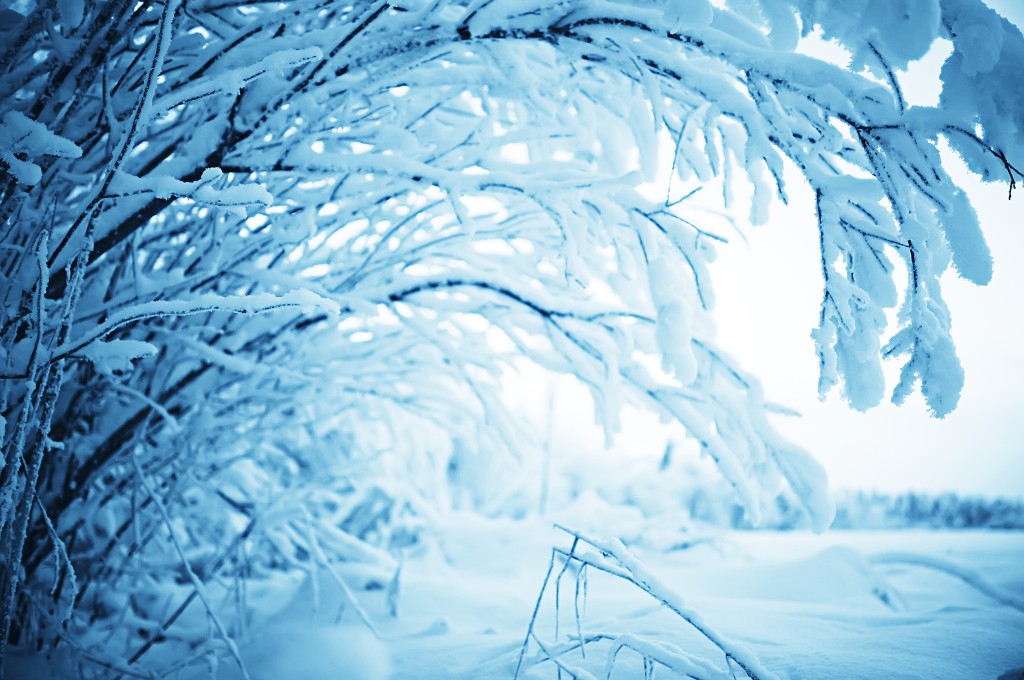
Winter snow and ice loads can snap unpruned branches, making pre-storm tree trimming essential for Massachusetts homeowners
Why is winter the best time to trim trees in Massachusetts?
Winter is actually the ideal season to trim most types of trees, making it generally safe to plan on pruning during this timeframe. Trees are dormant in winter, which means pruning stresses them less and cuts heal quickly when spring arrives. The absence of leaves makes the tree’s structure fully visible, allowing for better decision-making about which branches to remove.
Some of the benefits of winter pruning include:
- Lower risk of disease and pest problems
- Lower stress on trees
- No leaves blocking the view or interfering in cleanup
- Increased availability for most tree services
- Removing dangerous branches before nor’easters hit
How does winter tree trimming protect my home from nor’easters?
Winter tree trimming provides crucial protection against nor’easter damage by removing dead, weak, or structurally compromised branches before storm season arrives. According to the Massachusetts Office of Coastal Zone Management, nor’easter season runs from October through April, making winter pruning both ideal for tree health and urgent for storm protection.
Removing problematic branches during winter dormancy reduces the risk of limbs breaking during nor’easters, which can bring hurricane-force winds and heavy snow loads to MetroWest communities. Proper pruning creates a more wind-resistant tree structure by eliminating weak branch attachments and reducing the overall wind load on the tree canopy.
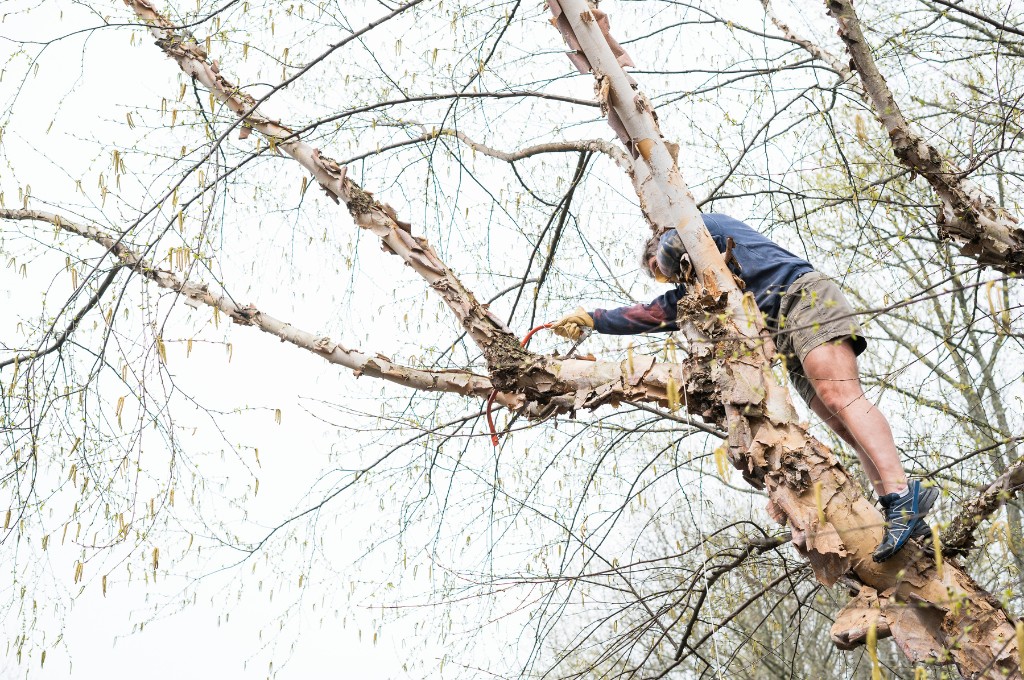
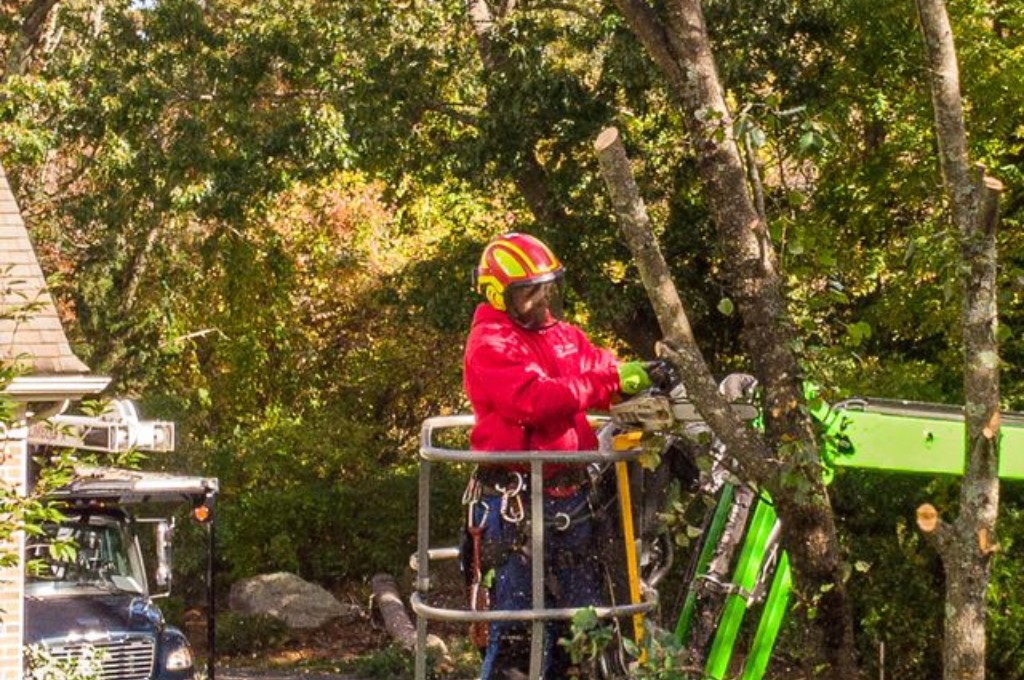
DIY tree-trimming attempts like this put homeowners at serious risk; professional tree care ensures both safety and proper tree health.
DIY vs Professional Tree Trimming
Deciding whether to tackle tree trimming yourself or hire professionals involves considering safety, expertise, and cost factors. These questions help you understand when professional help is essential and what to expect from tree care services.
Can I trim my own trees, or should I hire a professional?
Unless it’s a small tree that you can reach from the ground, trimming should always be handled by professional tree care experts. This removes your risk of personal injury and reduces the chance of causing severe damage to your trees. Professional tree trimming requires specialized knowledge about tree biology, proper cutting techniques, and species-specific requirements that most homeowners don’t possess.
Instead of the arduous task of pruning your own trees, work with a professional team with the proper insurance and equipment for efficient tree removal.
How much does tree trimming cost in MetroWest Massachusetts?
Tree trimming costs in MetroWest vary significantly based on multiple factors, making it impossible to provide accurate pricing without an on-site evaluation. Some of the many factors include:
- Size
- Species
- Accessibility of the work area
- Number of branches to remove
- Tree’s health
- Time of year
- Necessity of permits
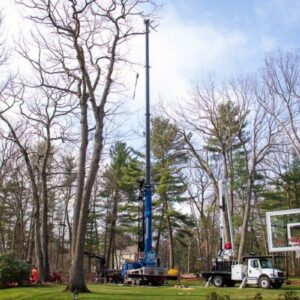
Additionally, some jobs may require crane services, specialized climbing techniques for large trees, or extensive cleanup. The best approach is to request estimates from qualified tree care companies who can assess your specific situation and provide accurate pricing.
Tree Trimming Mistakes
Safety considerations and local regulations play important roles in tree trimming projects. Understanding these requirements helps ensure your project proceeds smoothly and legally.
Do I need a permit to trim trees in Framingham?
Permit requirements for tree trimming vary by municipality in MetroWest, and Framingham has specific regulations you should understand before beginning work. According to Framingham’s Tree Warden program, the city oversees approximately 12,000 street trees and requires permits for certain tree work, particularly involving public shade trees.
You’ll almost certainly need a permit to trim street trees (those between the sidewalk and street), as these belong to the city. For private trees, permits may be required depending on the tree’s size, location, or species. Trees near wetlands or in conservation areas may require additional approvals.
Always speak with your local municipality before doing any tree pruning to ensure you don’t break any laws.
What are the most common tree trimming mistakes, and how can I avoid them?
The most damaging tree trimming mistakes include topping (cutting main branches back to stubs), which severely weakens trees and forces weak new growth prone to breakage. Topping trees is highly discouraged as it disrupts the tree’s natural structure and can cause decay.
Other serious mistakes include:
- Over-pruning
- Flush cuts that remove the branch collar (preventing proper healing)
- Heading cuts made at random spots along branches
- Lion-tailing (removing too many inner branches, leaving foliage only at branch tips)
- Poor timing that exposes trees to fatal diseases.
PRO TIP: For a comprehensive overview of what to avoid, read our detailed guide on common pruning mistakes.
How much can you trim off a tree without killing it?
You should never remove more than 25% of a tree’s foliage in a single year. Removing too much foliage or too many branches at once can damage your tree beyond repair by eliminating its ability to produce enough energy through photosynthesis.
Over-pruning stresses the tree, reduces its ability to photosynthesize and store energy, weakens its defenses against pests and diseases, and in severe cases, can result in tree death. Most trees will die if you cut all their branches off, as they essentially starve without leaves to generate energy. Proper pruning removes only what’s necessary to achieve your goals while preserving the tree’s health and structural integrity.
Should I put paint or wound dressing on a cut branch?
No, you should not apply paint or wound dressing to pruning cuts. Research has shown that painting cuts with wound dressings can interfere with the tree’s natural wound responses and trap moisture inside the wound, potentially leading to more problems rather than preventing them.
Trees have evolved their own natural healing processes where they grow new tissue over pruning wounds to create a barrier against disease and decay. Using wound dressing or tree paint has been known to be harmful to trees for decades. The best practice is to let the tree heal naturally through its own processes without artificial intervention.
Post-Trimming Care: Cleanup, Disposal, and Tree Recovery
Post-trimming care and cleanup are important final steps in any tree care project. Understanding what happens after the work is complete helps you plan appropriately and support your tree’s recovery.
What happens to the wood after tree trimming?
Professional tree trimming services typically include complete cleanup and disposal of all trimmed material. Most tree care companies chip smaller branches and twigs, which can often be left for the property owner as mulch if desired, or hauled away for disposal at composting facilities.
How long does it take for a tree to recover after trimming?
Trees have their own natural healing process where they grow new tissue over pruning wounds to create a barrier against disease and decay. For young trees, if pruning cuts are kept under ¾ inch diameter, they can heal in a single growing season.
However, for older trees that require larger cuts or corrective pruning, the healing process may take longer. Recovery time depends on the tree’s species, age, health, and the extent of pruning performed.
In cases involving poor pruning practices like topping or making large cuts outside the dormant season, recovery can be significantly delayed or compromised. Proper post-pruning care, including adequate watering and appropriate fertilization, can support the healing process and encourage healthy new growth.
For Tree Trimming You Don’t Have to Second-Guess, Call American Climbers
Tree trimming is a necessary service for your trees, but only when you perform it properly. Don’t try to prune your large trees yourself, as you risk damaging them or injuring yourself. When you need a tree trimming service you can count on, the team at American Climbers is ready to help.
We have been working in the MetroWest area since 1996 and know how to properly care for your trees. Call us today at 508-497-8628 or request a quote online for tree trimming.
Blog Topics
Recent Posts
What's Happening? Stay Informed!
Stay on top of local events, pest and disease updates, tree and landscape tips, and more. Delivered straight to your inbox each month.

