

As trees begin to leaf out in spring, it becomes easier to spot which ones aren’t keeping up. If a tree on your property is still bare while others are filling in, it’s worth taking a closer look. With summer storms on the horizon, now is the time to determine whether your tree is slow to leaf out or a potential hazard that needs a second opinion.
Key Takeaways
- Tree dormancy is nature’s hibernation mode, where trees shut down metabolic processes during winter to conserve energy, making healthy dormant trees look identical to dead trees from a distance until spring conditions trigger new growth.
- The scratch test is your most reliable method for determining tree health: use a knife or fingernail to scrape away bark on a thumb-thick branch, and look for green, white, or cream-colored tissue underneath, which indicates a living tree.
- Dead trees pose serious safety risks and should be removed immediately by professionals, as they become increasingly unpredictable and dangerous over time, with the wood deteriorating and branches more likely to fail without warning.
- Early spring is the best time in Massachusetts to assess whether a tree is dead or dormant, because you can test trees before they begin spring growth and avoid months of uncertainty about slow-to-leaf-out trees.
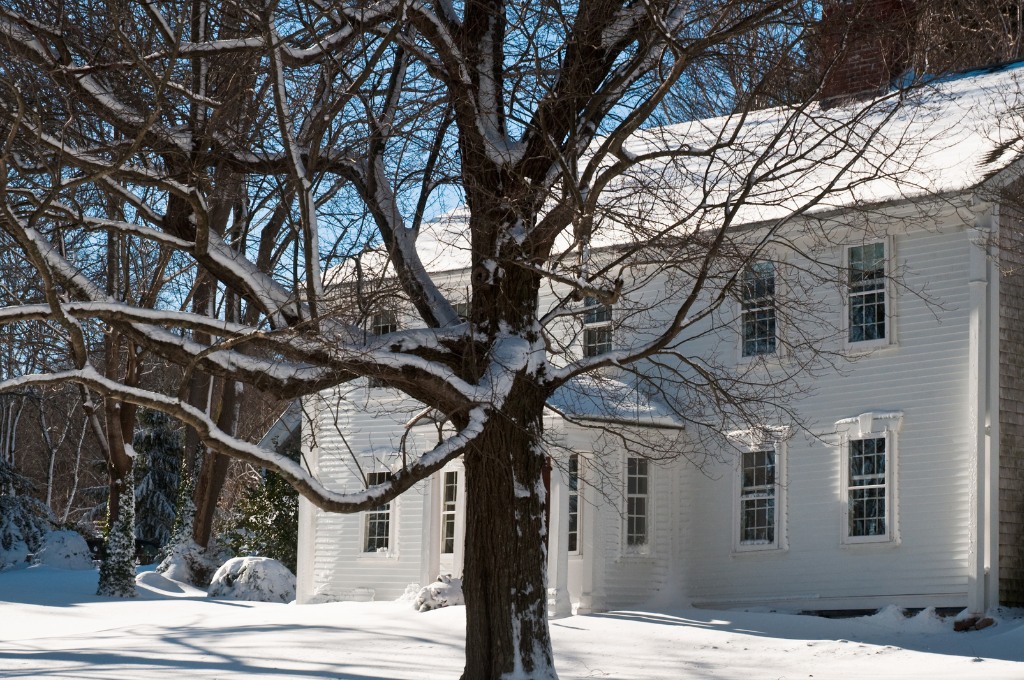
What is Tree Dormancy?
Tree dormancy is a seasonal period when trees temporarily pause growth and metabolic activity to conserve energy and make it through the winter. As temperatures drop and daylight hours shorten in fall, trees conserve energy by slowing physiological processes.
During dormancy, trees:
- Stop producing chlorophyll
- Drop their leaves
- Redirect energy from growth to maintaining core functions like root health
- Reduce water uptake
In Massachusetts, this natural process typically runs from late fall through spring, usually from October through April, depending on how quickly it cools down. For homeowners, dormancy can be confusing: a completely healthy dormant tree can look identical to a dead one from a distance. The key difference? A dormant tree is poised to “wake up” when conditions improve, while a dead tree has permanently ceased biological activity.
WARNING: Always use safety when near any trees you think might be dead. These trees often have brittle wood that causes branches to snap off with little provocation.
How to Tell the Difference Between Dead and Dormant Trees
The only way to know for certain whether your tree is dead or dormant is to test it. Visual inspection from your window isn’t enough. You need to get up close and use proven methods that reveal what’s happening inside the tree.
The Scratch Test to Check for Living Tissue
The scratch test reveals whether your tree has living tissue underneath its bark. Use a knife or even your fingernail to gently scratch away a small section of bark on a branch about as thick as your thumb. You’re looking for the cambium layer, the thin tissue right beneath the outer bark.
If you see bright green, white, or cream-colored tissue that feels slightly moist, your tree is alive. Living cambium should look fresh and may even feel a bit sticky. Conversely, dead tissue appears brown, gray, or tan and feels dry and brittle, like old cardboard.
Test multiple branches at different heights and locations around the tree. A single test can be misleading because individual branches may die while the rest of the tree remains healthy. If most locations show living tissue, your tree is dormant. In contrast, if most branches are dry, brittle, or gray, the tree is likely dead.
WARNING: Do not attempt to climb the tree or use a ladder to reach higher areas. These actions are extremely dangerous and can lead to serious injuries. If you can’t reach branches from ground level but are concerned about your tree’s health, consult a tree care professional and have them inspect your tree.
The Snap Test to Check Branch Flexibility
The snap test helps you determine whether a tree is alive or dead by checking how branches respond to pressure. Choose small, pencil-thick branches and bend them gently to see if they resist breaking. Living branches should be flexible and require some force to break, even in winter. When they finally snap, they should break with resistance and show lighter-colored, somewhat moist wood inside.
Healthy, dormant branches bend with some resistance and, if they snap, reveal light-colored, slightly moist wood inside. Dead branches, in contrast, break easily with a dry, brittle sound, showing wood that is uniformly brown or gray with no contrast between inner and outer layers. Test several branches of similar size to get an accurate picture of your tree’s overall condition.
Visual Signs Your Tree Is Dormant
After checking individual branches, step back and look at the overall condition of the tree. Dormant trees may look bare, but they still show signs of life beneath the surface.
Signs your tree is likely dormant include:
- Plump, firm buds that feel full when gently squeezed
- Bark firmly attached to the trunk without major peeling sections
- Solid branch attachments where limbs meet the trunk
Warning Signs Your Tree May Be Dead
Dead trees show more obvious structural and biological decline. If you’re seeing multiple issues at once, the tree may no longer be viable.
Common warning signs include:
- Shriveled, missing, or easily crushed buds
- Extensive bark peeling or large sections of missing bark
- Brittle branches that break easily or have already fallen
- Major cracks or splits in the trunk
- A significant lean that wasn’t there before
- Visible root damage
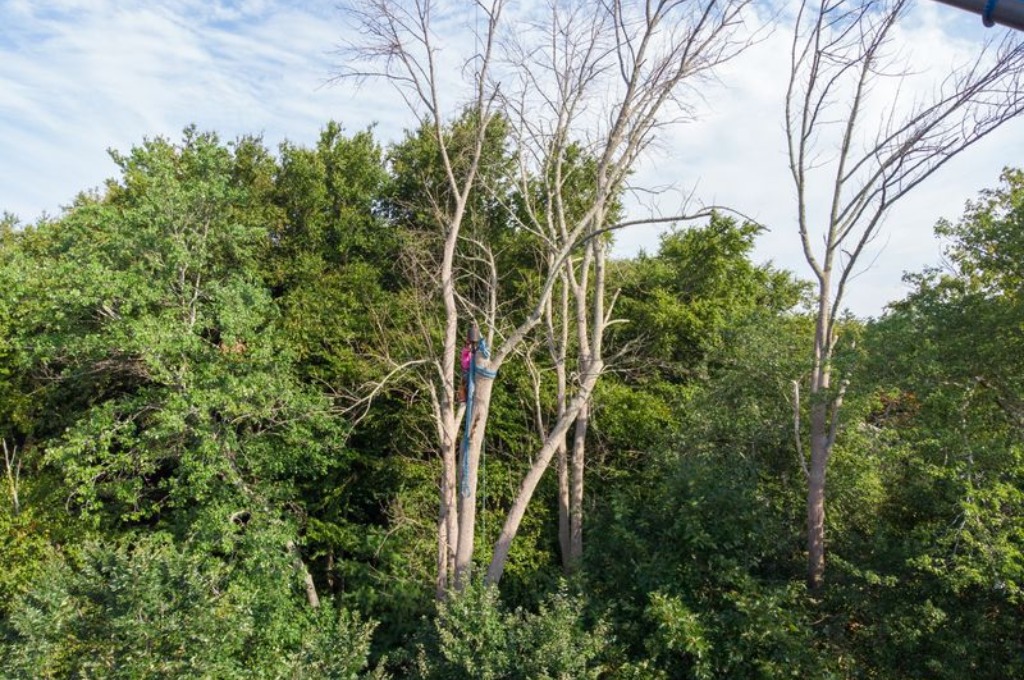
Dead tree removal often requires specialized climbing techniques and equipment due to the unpredictable nature of deteriorated wood and branches.
What Should You Do if Your Tree is Dead?
When dealing with a dead tree, safety is the first priority. Begin by evaluating nearby hazards, such as your home, power lines, driveways, walkways, or areas where people gather, so you know what could be at risk if the tree or large branches fall. Dead trees are unpredictable because wood continues to deteriorate, branches weaken, and the structure becomes increasingly unstable. Unlike living trees that bend in the wind, dead trees are rigid and can snap suddenly.
Why Professional Removal is Essential
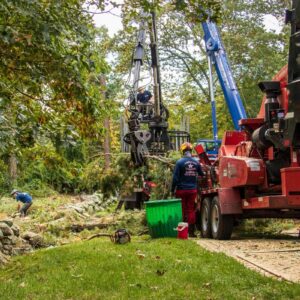
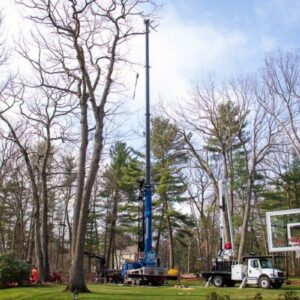
Dead tree removal is not a DIY project. Deteriorated wood can fail unexpectedly, making even small tasks dangerous. Tree professionals use specialized equipment, like cranes, grapple saws, and safety rigging, to remove dead trees safely.
Hiring a professional also protects you from potential liability. Massachusetts tree laws hold homeowners responsible if a dead tree damages a neighbor’s property or injures someone. Attempting DIY removal could void insurance coverage and leave you financially responsible for damages.
Act Quickly to Reduce Risk and Cost
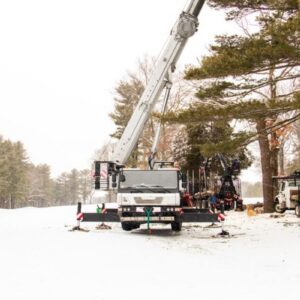
Dead wood deteriorates steadily once structural failure begins. Because unstable trees require more careful handling, waiting increases both risk and cost. Scheduling removal in winter or early spring can help, as frozen ground provides stable footing for equipment and bare branches reduce obstacles for safe cutting.
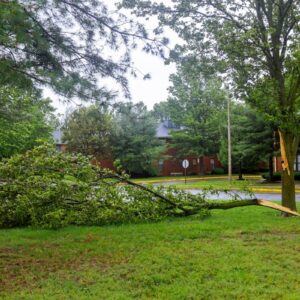
Don’t wait for storm season. Spring thunderstorms and summer winds can turn dead trees into projectiles, causing far more damage than the cost of proactive removal. Addressing dead trees promptly keeps your property, family, and neighbors safe while minimizing removal costs.
PRO TIP: Dead tree removal often takes longer to complete than standard tree removal due to the dangerous nature of the job. You can help keep the process moving by taking the appropriate steps to prepare for tree removal.
Frequently Asked Questions
Why do some trees in MetroWest leaf out later than others?
Species like oak and elm naturally delay leaf-out to avoid late frost damage, while maples and birches emerge earlier. This timing difference is an evolutionary survival strategy and completely normal for Massachusetts trees.
Can I perform these tests on any type of tree?
Yes, the scratch and snap tests work on all deciduous trees. Evergreens require different assessment methods since they don’t drop their needles and maintain green color year-round.
What if my tree shows mixed results on the tests?
Mixed results often indicate partial death from storm damage, disease, or age-related decline. Document the condition and monitor for several weeks. If damage is extensive or safety concerns exist, treat it as an emergency requiring professional assessment.
When should I expect my Massachusetts trees to start budding?
Most trees in Massachusetts begin showing signs of life from mid-April through early May. Early species, like maples and birches, typically leaf out first, while oaks and elms often wait until late April or early May to avoid late frost damage. If your tree shows no activity by late May, it may not have survived winter.
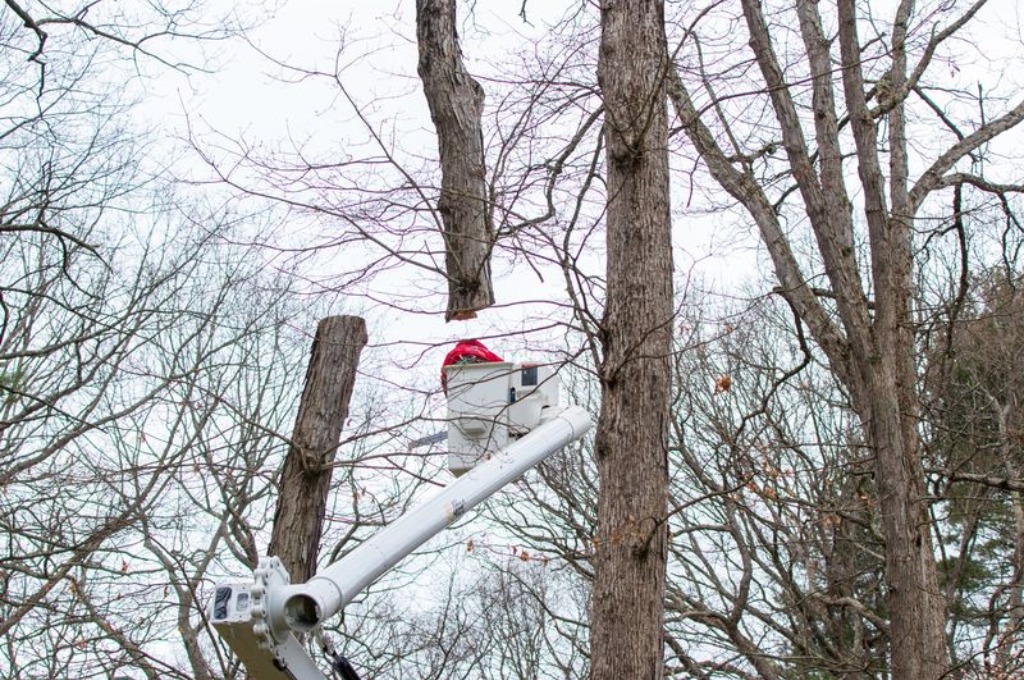
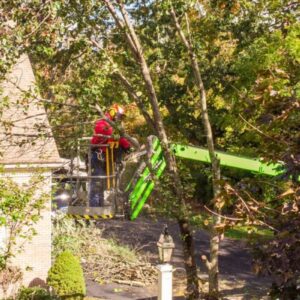
Professional tree removal requires specialized equipment like bucket trucks to safely remove dead trees, especially during winter when visibility is clearest.
Don’t Wait – Get Professional Help for Dead Trees
Don’t spend another sleepless night wondering whether that questionable tree in your yard is going to make it through spring. The scratch and snap test, paired with a visual inspection, can give you clear answers before storm season puts your property at risk.
If you’re dealing with a dead tree — or aren’t sure whether your tree is dead or dormant — the team at American Climbers can help. We’ll assess its condition and, if needed, safely remove it using specialized equipment to protect your home and family. Call us today at 508-497-8628 or request a quote online to get started today.
Blog Topics
Recent Posts
What's Happening? Stay Informed!
Stay on top of local events, pest and disease updates, tree and landscape tips, and more. Delivered straight to your inbox each month.

