

Trees are highly beneficial to properties – but they can also cost a lot to prune or remove. Before hiring a professional such as American Climbers to work on your tree, you need to first ensure you are the owner and are responsible for the tree.
In most cases, determining the tree owner is simple, but there can be some instances that are more nuanced.
Keep reading to learn how to determine if a tree is yours before you schedule any tree work.
Note: Information in this article is purely informational. Refer to state and local laws for more specific language and details regarding tree ownership.
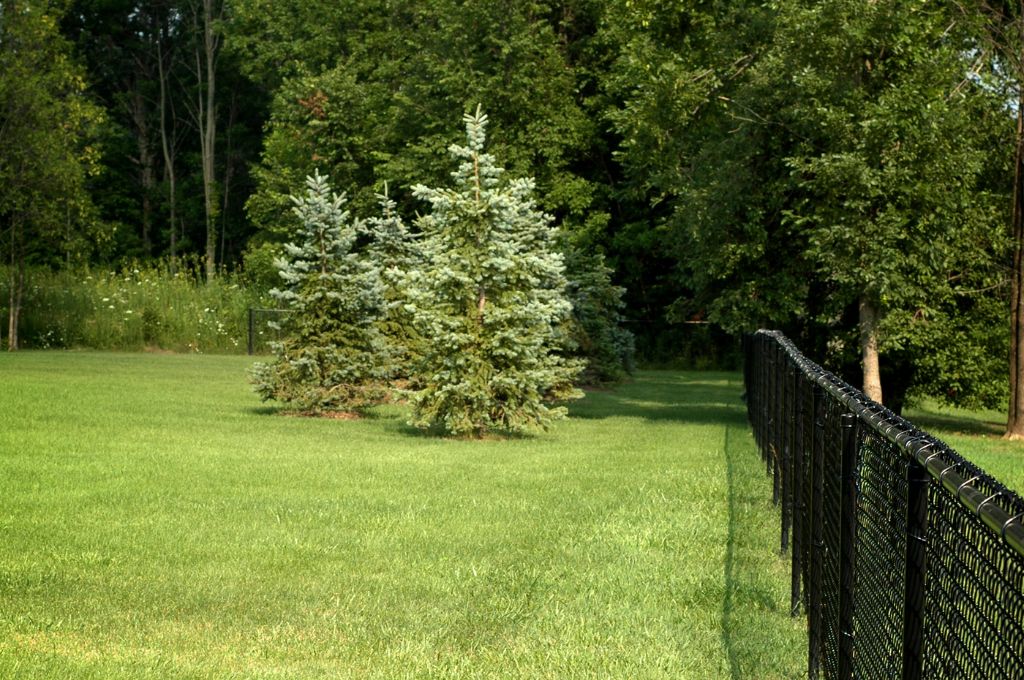
Know your Property Lines
In most instances, if any part of a tree trunk is on your property, you are the owner of that tree. But that is a moot point if you aren’t familiar with your property lines.
While some properties have property line markers, this is not always the legal boundary of your property. Or perhaps there is a hedge or fence between your yard and a neighbor’s yard. A hedge may serve well as a property screen, and a fence may keep pets from wandering off, but they may not be the legal boundary of your property.
How to Determine Your Property’s Boundaries
There are a few ways you can determine the actual boundaries of your property, including the property lines.
Check your Property Deed
A property deed is a tax document that explains the boundaries of your property. You can find a copy from the county recorder’s office.
Contact the Planning and Zoning Division of your Count
Planning and zoning departments often have property records on file.
Middlesex County Property Records Search
Check with Your Mortgage or Title Company
Most mortgage companies or title companies will be able to provide a copy of a property survey if one was completed.
View your Property Line Map or Plat
A plat or property line map will contain the dimensions of your property. They can be obtained from a county clerk’s office.
Look for Survey Pins on Your Property
Check for a thin bar made of wood, metal, or concrete that a surveyor would have used to mark property boundaries when your house or building was under construction. Keep in mind, however, that many survey pins move or are removed over time. However, if your home was recently built, the markers may still be in the correct spots.
Use an App or Website to Check Boundaries
View the Massachusetts Interactive Property Map to viewyour property lines and other information.
Regrid has parcel maps around you and has information related to property boundaries, addresses, property ownership, and more.
LandGlide has information about parcel data and property line maps.
Hire a Surveyor
If you can’t find the correct maps or documents about your property, you may need to hire a surveyor. A surveyor is also needed if any of the property boundaries or reference points have changed. Be sure to hire a surveyor that is properly licensed for your area.
Know Local Tree Laws, Regulations, and Ordinances
We briefly mentioned some court cases involving trees in our article about trees and solar panels, but did you know that most areas have tree laws? Tree laws can vary from what trees are allowed to be planted, the plans for trees on public lands and more.
When it comes to determining if you own a tree, check for any relevant tree laws. For instance, there may be a tree law that any tree within three feet of a county road is owned by the county. Or there may be restrictions on where you can plant a replacement tree after a tree removal.
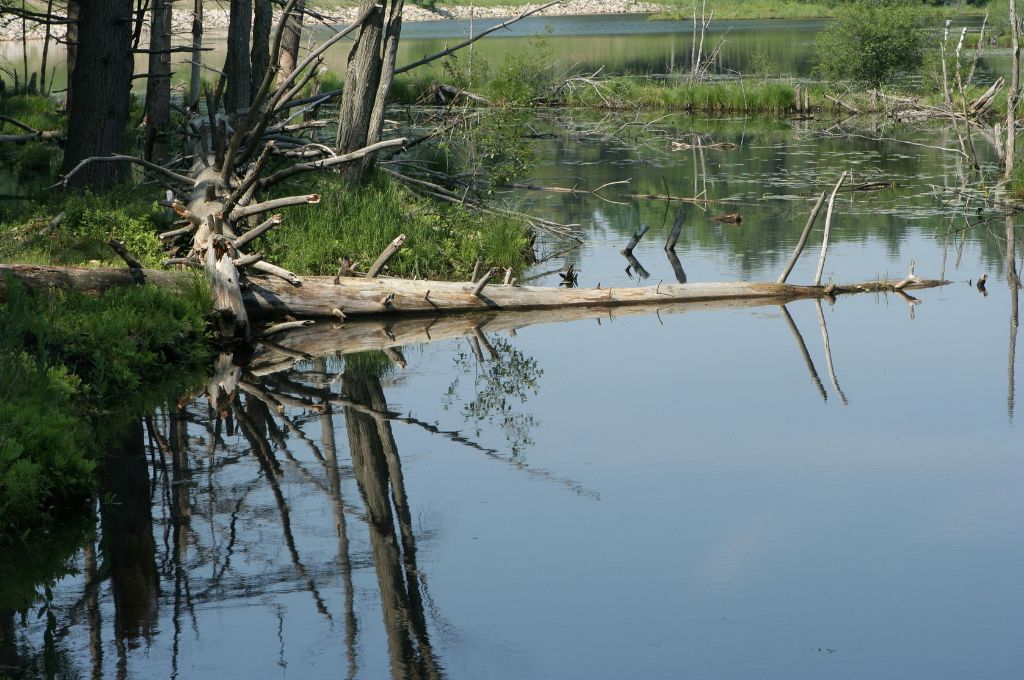
A Note About Wetlands
The Massachusetts Wetland Protection Act was created to protect and preserve wetlands in our state.
Therefore, cutting or removing trees in or near a wetland area is restricted.
Determine if any part of your property is considered “wetland.” Even a pond you’ve created on your own property where there wasn’t water before can be considered wetland in some cases. Similarly, if part of your property is only wet in spring with drainage, it may still be considered a wetland.
If part of your property is near to or contains wetland, you will need to receive permission (and often a permit) to cut or remove trees from that area.
Learn more about wetlands from Mass.gov
 Get to Know Your Neighbors
It’s important not only to know tree laws and regulations but also your neighbors! Trees will grow, and branches, roots, leaves, and fruit can all encroach on neighboring properties.
Who Owns a Tree That Sits on the Property Line?
A tree whose trunk sits on the property line is common property, which means both neighbors jointly own it and share responsibility for its care. If any part of the trunk is on your side only, the tree is yours.
Who is Responsible for Cutting Overhanging Tree Branches?
Each neighbor is responsible for the tree branches on their side of the property. Even if the tree trunk is fully on your property, your neighbor has the right to cut any branches on their property. In fact, you may not be allowed to access the branches on your neighbor’s side of the property line to cut them.
Therefore, it’s so important to know and communicate with your neighbors! When scheduling a tree pruning, discuss the upcoming tree work with your neighbor(s). The reverse is true as well. If a neighbor’s branches hang over your property, you have the right to trim them back to the property line at your own expense, but you cannot step onto their property to do it, and you can be held responsible if your cutting kills or damages the tree.
Tree Roots on Neighboring Properties
If a tree’s roots have spread to your property, and you cut them or apply herbicide, you may be held responsible if the tree dies as a result.
Consider Property Lines When Planting
Keep your neighbors in mind when planting any new trees or shrubs. Trees, especially, will grow much larger than when they were first planted so if you’re planting near a property line, keep this in mind.
Frequently Asked Questions About Tree Ownership & Property Lines
Does owning a tree mean you’re responsible if it falls?
Owning a tree and being responsible for removing it after it falls are two different things. If a tree comes down, who is responsible for removing it depends on the tree’s health and where it lands, not simply who owns it.
Can you cut down a tree on the property line without your neighbor’s permission?
No. A tree on the property line is common property, so you need your neighbor’s agreement before removing it or making cuts that could harm or kill it. Removing a shared tree without permission can leave you liable for its value.
Can you make a neighbor trim or remove a healthy tree?
Generally no. Under the long-standing Massachusetts rule, your remedy is self-help — you can trim the branches and roots that cross onto your property back to the line at your own expense, but you can’t force a neighbor to prune or remove a healthy tree.
Can a neighbor plant a tree right on the property line?
There’s no general rule against planting near the line, but if the trunk grows on the boundary, the tree becomes common property that both neighbors share. When you or a neighbor are planting close to the line, it’s worth agreeing on placement first and keeping the trunk clearly on one side.
Can you make a neighbor remove a tree that blocks your light or view?
Generally no. Massachusetts doesn’t recognize a right to light, air, or a view across a neighbor’s property, so you usually can’t force a neighbor to remove or cut back a healthy tree simply because it blocks your sunlight or sightline.
Contact American Climbers
Once you have determined that a tree is your responsibility, contact American Climbers for any tree pruning or tree removal needs.
Then let your neighbors know to expect our vehicles and equipment. You can learn more about how to prepare for a tree removal in this article.
Blog Topics
Recent Posts

What's Happening? Stay Informed!
Stay on top of local events, pest and disease updates, tree and landscape tips, and more. Delivered straight to your inbox each month.