
A tree that’s dropping leaves in July or August isn’t following the calendar most Ashland homeowners expect, and that can be unsettling when you’ve spent years caring for a mature yard. When green leaves begin falling in the middle of summer, it’s natural to wonder whether your tree is in trouble.
In many cases, summer leaf drop is simply a tree’s way of conserving water during hot, dry weather. In others, it’s an early warning that heat, drought, or another stress is taking a toll. Knowing the difference can help you decide whether your tree needs a little patience or a professional assessment before fall arrives.
Key Takeaways
- Some summer leaf drop is a tree’s way of conserving water, not a sign it’s dying.
- Scattered leaf drop over several weeks is usually normal; sudden, heavy loss across the whole canopy is worth watching closely.
- Bark cracking from summer heat is a different, and usually less serious, process than winter frost cracking.
- A tree that’s losing leaves while also wilting and developing a thin canopy is showing signs of significant stress and may not survive the winter.
- A late-summer assessment from a tree care professional is the best way to catch a serious problem while there’s still time to act.
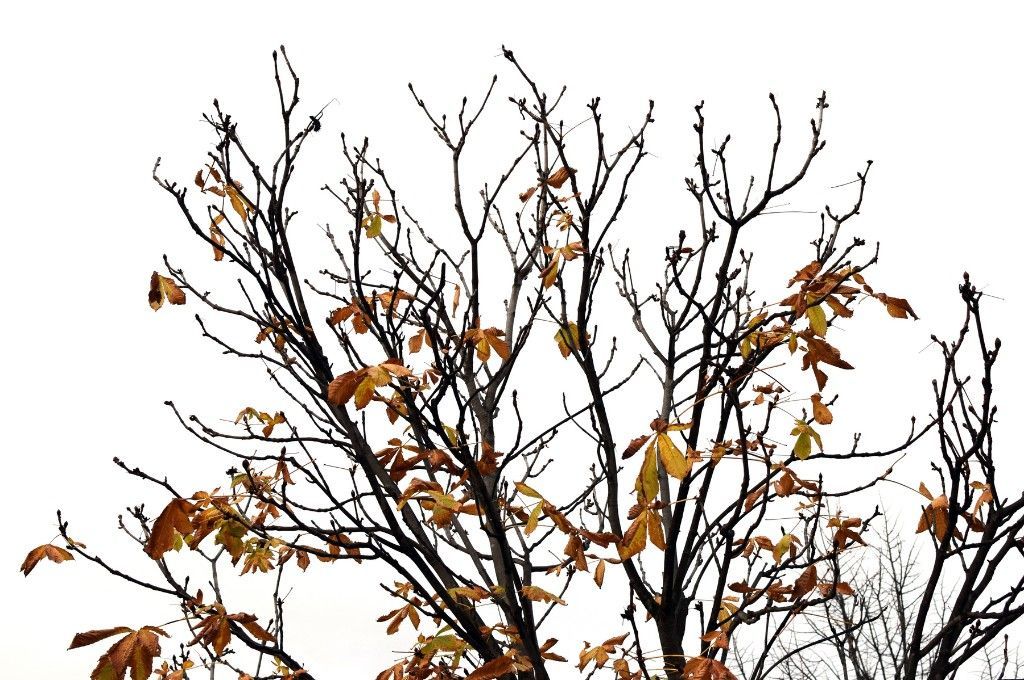
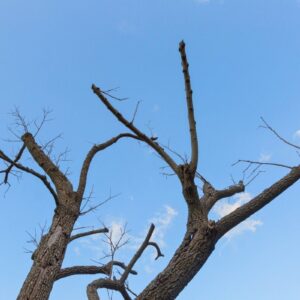
Drought stress can cause trees to lose leaves early, leaving parts of the canopy sparse long before fall arrives.
Why Do MetroWest Trees Struggle in Summer?
Summer heat is only part of the story. Decades of landscape changes have made many mature MetroWest trees more vulnerable to drought stress than when they were first planted.
Today’s Landscape Isn’t the One Your Trees Grew Up In
Ashland’s mature shade trees were often planted long before the neighborhoods around them were fully developed. Over time, driveways, patios, sidewalks, and other development changed the landscape around their roots.
Root Space Has Shrunk
Over decades, foot traffic and construction have compacted the soil where tree roots need to grow. Expanding driveways and patios have cut off access to moisture that was once available.
Today, many mature trees have far less access to water than they did when they were planted, making them more vulnerable during hot, dry summers.
When Neighboring Trees Fall
When a large tree is removed, nearby trees must adjust to changing root conditions and increased competition for water. During a drought, that added stress can push an already struggling tree into decline.
Why Older Neighborhoods Feel the Effects More
Sudbury, Wayland, and other established communities share the same pattern, with mature trees growing in landscapes reshaped by decades of development. Understanding how heat stress affects trees helps explain why two trees on the same street can respond very differently to the same stretch of hot, dry weather.
Why Is My Tree Dropping Leaves in Summer?
When a tree starts dropping leaves in July or August, it’s usually for one of two reasons: it’s responding to seasonal stress, or it’s struggling with a more serious underlying problem.
During periods of hot, dry weather, many trees naturally shed some of their leaves to conserve water. This is a normal survival response that helps reduce moisture loss and isn’t necessarily a sign the tree is declining.
Many of the mature deciduous trees found throughout Ashland do this during dry summers and recover without lasting damage, leafing out normally again the following spring.
How Much Leaf Drop Is Too Much?
A few scattered leaves on the lawn during a hot, dry spell are usually nothing to worry about. Healthy trees often shed a small portion of their foliage to reduce water loss while preserving the rest of the canopy.
The concern isn’t just that leaves are falling; it’s how many, how quickly, and whether the canopy is noticeably thinning. A gradual increase in leaf drop over several weeks is often part of a tree’s normal response to drought. Sudden, widespread leaf loss or large bare sections of the canopy are signs that the tree may be under more stress than it can recover from on its own.
When Leaf Drop Signals More Than Seasonal Stress
Abnormal leaf drop tends to coincide with how severe the drought has been and how much added stress the tree faces from pests, soil compaction, or root damage. How much of the canopy is affected at once also matters, as does how quickly the change happens.
A simple check can help you tell the difference.
- Scattered, gradual leaf drop over a few weeks usually points to normal water conservation.
- Sudden, heavy leaf loss across the entire canopy in a short window is worth watching more closely.
- Leaf drop that appears on its own, with no other symptoms, is generally less concerning than leaf drop combined with something else.
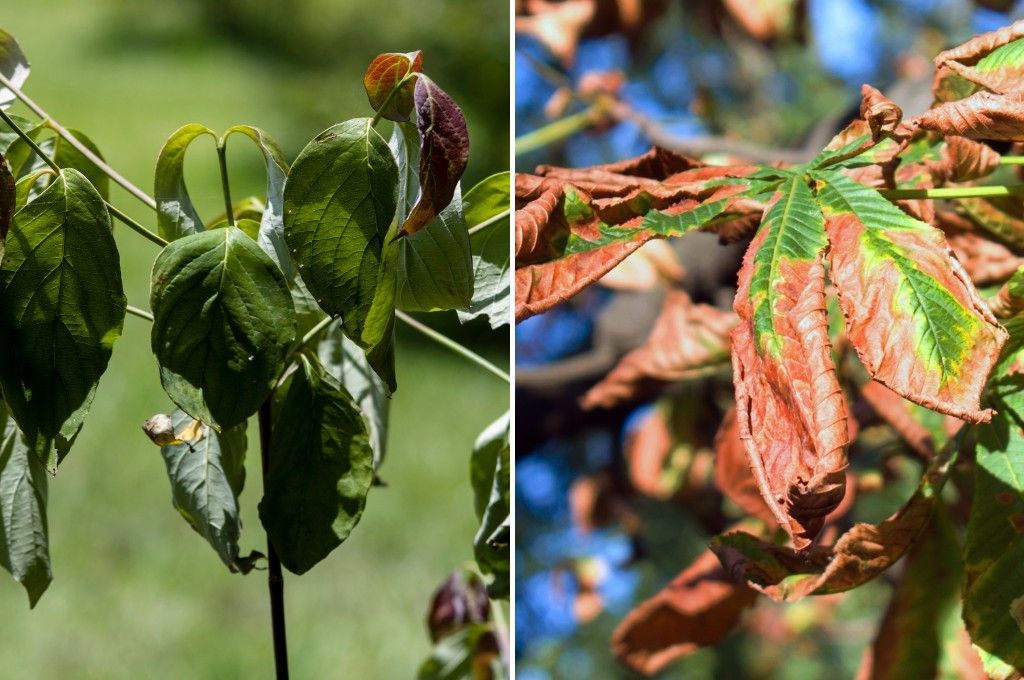
Wilting leaves and leaf scorch are common signs of summer heat stress. When they occur alongside early leaf drop, they may indicate a tree needs professional attention.
What Other Signs Should You Watch For?
Leaf drop by itself doesn’t always tell the whole story. To understand whether your tree is simply responding to summer heat or experiencing a more serious problem, look at what’s happening throughout the rest of the tree. Changes in the canopy, branches, and overall appearance often provide the clearest clues.
When Is Wilting or a Thin Canopy a Warning Sign?
Wilting and a thinning canopy are signs that a tree may be struggling to produce enough energy to recover from prolonged stress. While either symptom can occur on its own, they’re more concerning when they develop alongside heavy leaf drop, dead branches, or other signs of decline.
What You Can Usually Ignore
Some summer stress symptoms are reversible on their own. These include:
- Minor leaf scorch along the edges of leaves.
- Early, scattered leaf drop with no other symptoms present.
- A small, isolated bark crack in one spot on the trunk.
When to Pay Attention
Other symptoms deserve a closer look:
- Wilting combined with a visibly thinning canopy.
- Bark damage appearing alongside canopy thinning.
- Several of these signs showing up together in the same season, rather than just one.
A tree carrying several of these signs by August has less stored energy and less time to recover before winter. That’s the point where it’s worth getting a professional opinion on whether the tree needs to come down, rather than waiting to see what happens once cooler weather arrives.
Why Late Summer Is the Right Time to Act
Late summer is a good time for a professional assessment because the symptoms are still visible and there’s often enough growing season left to identify problems before winter dormancy.
A single symptom on its own rarely calls for an emergency visit, but several warning signs appearing together are the real trigger for bringing in a tree care professional before your tree goes dormant. If you’re already thinking ahead to fall, it’s worth learning how to spot hazardous trees before fall arrives, since several of the same warning signs carry straight into autumn storm season.
What You Can Do to Help a Tree Dropping Leaves in Summer
If your tree is showing mild, isolated symptoms, a few homeowner-level steps can help it through the rest of the summer.
Water Deeply & Consistently
Water the root zone slowly and deeply during dry stretches. Surface watering rarely reaches the roots that need moisture most. Check the soil a few inches below the surface. If it’s dry there, it’s time to water.
Hold Off on Fertilizing & Heavy Pruning
Both fertilization and heavy pruning add strain to a tree that’s already under stress, so it’s best to wait until conditions improve and the tree has had a chance to recover. Fertilizer in particular pushes a tree to produce new growth at a time when it doesn’t have the water reserves to support it.
Avoid New Digging or Disturbance Near the Root Zone
Avoid digging, trenching, or installing hardscapes near a stressed tree’s roots. This can push an already stressed tree into decline because even minor root damage becomes more significant during drought.
Watch for Changes Over the Following Weeks
Whether symptoms improve or get worse tells you more than a single glance ever will, and it’s the clearest sign of whether the tree is recovering on its own or needs a professional assessment.
Frequently Asked Questions About Summer Leaf Drop
How long does it take for a tree to recover?
Mildly stressed trees often show improvement within a few weeks of cooler weather or consistent watering. Trees with several combined symptoms may not show visible recovery until the following spring, once they’ve had a full dormant season to rebuild energy reserves.
Does mulching help protect trees from summer leaf drop?
Yes. A layer of mulch over the root zone helps insulate the soil and reduce moisture loss during hot, dry stretches. It’s one of the simplest steps a homeowner can take.
If a tree loses all its leaves in summer, will it grow new ones this season?
Some trees can push out a second flush of leaves later in the season. Doing so draws on stored energy reserves the tree needs for winter, which is part of why a tree showing this pattern deserves a closer look rather than a wait-and-see approach.
Does a tree dropping leaves need to be removed?
Not usually.Most trees that drop leaves in summer are responding to heat or drought stress and recover with time, proper watering, and cooler weather. The bigger concern is when leaf drop occurs alongside other warning signs, such as canopy thinning, wilting, or dead branches, which may indicate a more serious problem.
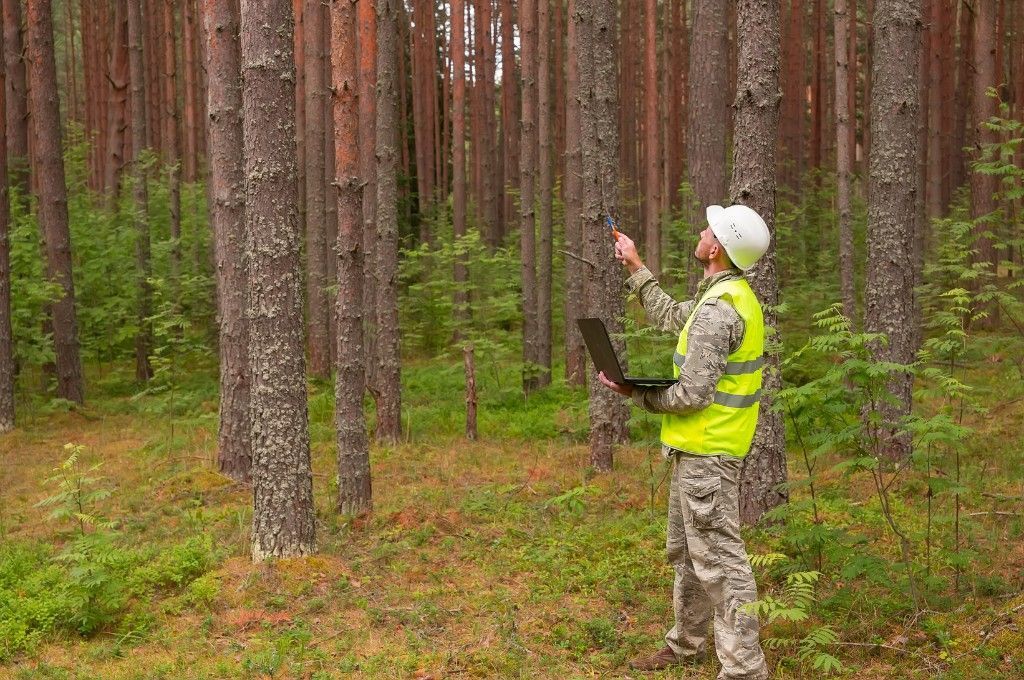
A professional tree assessment can determine whether summer leaf drop is a normal response to heat or a sign of a more serious problem.
Schedule Your Late-Summer Tree Assessment Today
Summer leaf drop doesn’t automatically mean your tree is dying. In many cases, it’s a normal response to heat and drought. But when leaf loss is accompanied by wilting, canopy thinning, or worsening bark damage, it’s time for a closer look.
If your tree’s condition seems to be getting worse instead of better, don’t wait until storms expose a more serious problem. Call 508-625-5569 or request a quote to schedule a late-summer tree assessment and get clear, expert recommendations for protecting your trees.
Blog Topics
Recent Posts
What's Happening? Stay Informed!
Stay on top of local events, pest and disease updates, tree and landscape tips, and more. Delivered straight to your inbox each month.