
Summer thunderstorm season peaks in July across the MetroWest, and when a tree in your Holliston or Natick yard takes a direct hit—or a branch snaps and lands near your home—the first question isn’t always about removal or repair. It’s about safety.
The first priority is knowing whether the tree is safe to approach. Once you’ve ruled out an immediate hazard, the next step is determining whether the damage is something the tree can recover from or whether removal is the safer option. Not every storm-damaged tree needs to come down, but acting quickly can protect both your property and the tree’s long-term health.
Key Takeaways
- Assess safety first by staying away from downed power lines, hanging limbs, and unstable trees, which require immediate professional attention.
- The 48-hour window after a storm is critical for professional assessment because internal damage and root disruption may not be visible from the ground.
- Cosmetic damage (small broken branches on the ground) is safe for homeowner cleanup; anything involving the main trunk, live canopy, or suspended limbs needs a professional crew.
- Most storm-damaged trees are not automatically death sentences; 25–50% canopy loss is often recoverable with proper assessment.
- Document everything with photos for insurance purposes before any removal work begins.
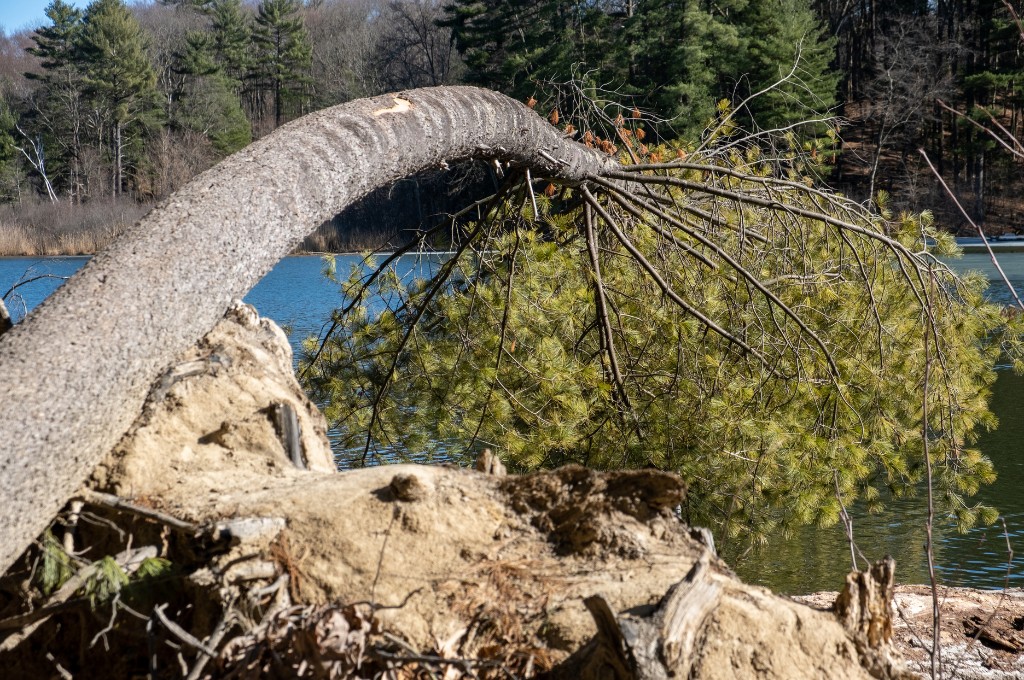
An uprooted tree with exposed roots is unlikely to recover and should be professionally evaluated before anyone approaches the area.
Is Your Damaged Tree in Immediate Danger?
Some storm damage creates immediate hazards that require professional assessment before you get close. Before stepping into your yard, look for:
- Downed Power Lines: Stay 25+ feet away from any downed or hanging electrical lines. Call your utility company immediately; never assume a line is dead.
- Hanging Branches: Dead-looking branches suspended in the canopy (sometimes called “widowmakers”) can drop without warning. Do not stand under them or try to remove them yourself.
- Trees Leaning at Unusual Angles: A tree that’s suddenly tilted may have root damage or structural failure. It can shift or fall unpredictably if you disturb debris around it.
- Uprooted Trees with Soil Heaving: If soil is lifted at the base, roots are fractured. The tree may shift further or topple if the ground softens or weight is disturbed.
When to Call for Emergency Help
If you see any of these signs, keep your distance. Call 911 if:
- A tree has fallen on someone
- A downed power line is touching the tree or creating a hazard
- Fire or structural damage to your home occurred
- Access roads are blocked by downed trees
For all other storm damage (hanging branches, leaning trees, structural tree damage), call American Climbers for 24/7 emergency storm damage assessment and cleanup. The first rule of storm safety is to never prioritize cleanup over your own safety.
Why Are the First 48 Hours After a Storm So Important?
The first 48 hours after a storm are the best time to evaluate tree damage, document what happened, and decide on the safest next steps. During this period:
- Conditions Become Safer to Assess: Once high winds and heavy rain have passed, an arborist can inspect the tree and surrounding area without the added risk of falling limbs or shifting debris.
- Hidden Damage Becomes Easier to Identify: As the tree settles, cracks, splits, and root damage that weren’t obvious immediately after the storm may become more visible.
- Fresh Wounds Are Most Vulnerable: Broken limbs and torn bark expose the tree to insects and disease, making prompt evaluation and proper pruning important.
- Insurance Documentation Is Easier to Gather: Photos and a professional assessment completed soon after the storm can help support claims for storm-related damage.
Is the Storm Damage Cosmetic or Structural?
Not all storm damage is equally serious. Some damage is cosmetic, and a tree can recover naturally, while other damage affects its structural stability and requires prompt evaluation.
Cosmetic Damage That Trees Can Recover From
The following types of damage often look worse than they are and don’t necessarily require immediate removal:
- Small broken branches that remain firmly attached
- Minor twig breakage throughout the canopy
- Surface bark scrapes that don’t expose significant wood
- A slight lean if the tree was already growing in that direction
Many trees are remarkably resilient. Cosmetic damage often looks worse than it is. The tree will compartmentalize the wound and grow around it as long as the core structure is sound.
Structural Damage Requiring Professional Evaluation
Some types of storm damage can affect a tree’s structural stability or long-term health. If you notice any of the following, it’s a good idea to have the tree evaluated by an arborist:
- Large areas of exposed wood
- Cracks or splits in the trunk
- Large broken limbs still hanging in the canopy
- Heaved soil, exposed roots, or a tree that has shifted or begun to lean
- More than 25% canopy loss
These signs don’t automatically mean the tree must go, but they indicate possible structural weaknesses that should be evaluated by a professional. Understanding why trees fail in storms can also help you recognize the hidden defects that often contribute to storm damage.
Once you’ve identified the type of damage, the next question is whether the tree has a realistic chance of recovery.
How Much Storm Damage Can a Tree Survive?
A tree’s chances of recovery depend on more than how dramatic the damage looks. One of the most useful guidelines is the amount of canopy that’s been lost.
- More than 50% Canopy Loss: Recovery is unlikely. The tree won’t have enough leaves to produce food (photosynthesis) for regrowth and survival. Removal is usually the right choice.
- 30–50% Canopy Loss: Recovery is marginal and depends on care. With proper watering, mulching, and no additional stress, survival is possible but not guaranteed. Professional monitoring is essential.
- Less Than 25% Canopy Loss: Generally recovers well. Most trees bounce back if roots are intact and the trunk is sound.
This rule is a starting point, not a diagnosis. Species, location, and other damage factors also matter significantly. Even trees with relatively little canopy loss may need to be removed if they have significant trunk or root damage.
Other Factors That Affect Tree Recovery
Canopy loss is only one piece of the puzzle. An arborist will also evaluate:
- The Condition of the Trunk: Deep splits, cracks, or extensive bark loss can significantly reduce the likelihood of recovery.
- Damage to Major Limbs: Losing one or two large limbs is often more survivable than damage to the main trunk or central leader.
- The Health of the Root System: Heaved soil, exposed roots, or a leaning tree may indicate root failure.
- The Tree’s Location: Even a tree that could recover may need to be removed if it poses a risk to people, homes, or nearby structures.
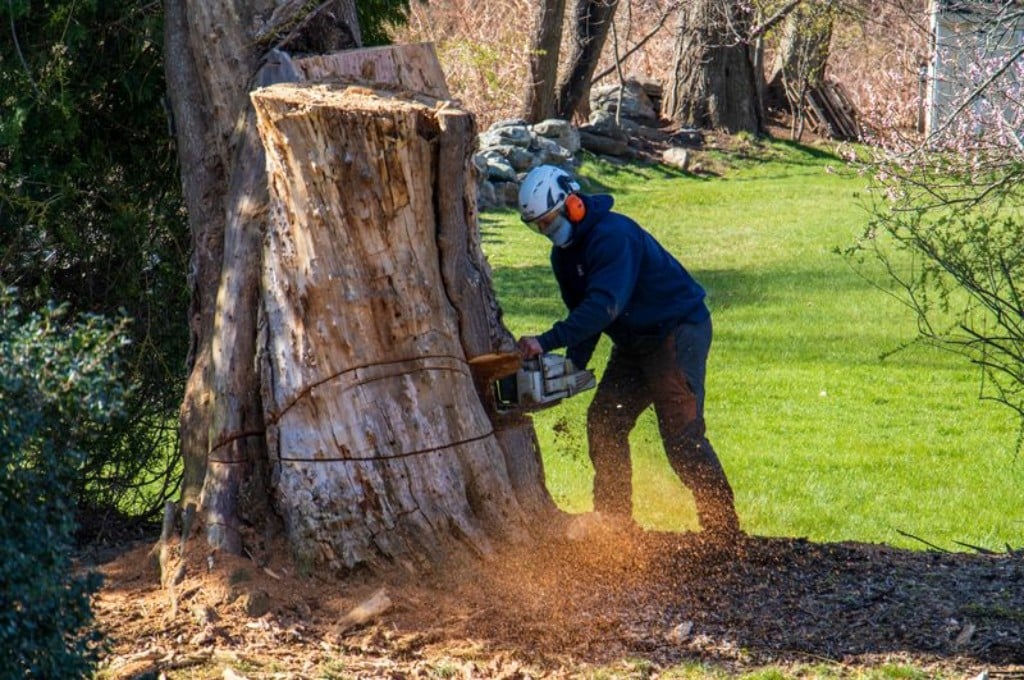
A severely storm-damaged tree may require professional removal when structural damage makes recovery unsafe or unlikely.
Should You Clean Up Storm Damage Yourself or Call a Professional?
Some cleanup is safe for homeowners to handle, but anything suspended, attached above shoulder height, or involving the main trunk requires a professional crew with proper equipment and training. The practical rule is simple. If it’s not attached and you don’t have to reach above your shoulders, you can probably handle it yourself.
Safe DIY Cleanup Tasks
- Branches and twigs on the ground (no longer attached to the tree)
- Small branch pieces you can handle with hand tools (pruners, saws for pieces under 4 inches diameter)
- Clearing debris from gutters, decks, and yards
- Raking and chipping manageable-sized pieces
- Stacking branches and brush for pickup
Storm Damage That Requires a Professional
- Damage more than 8–10 feet off the ground
- Cracks or splits in the main trunk
- Broken limbs still hanging in the tree
- Trees leaning on or near a home, garage, or power line
- Large branches that require chainsaws or specialized equipment
Should You Document Storm Damage for Insurance?
Yes. Before any cleanup or removal begins, take a few minutes to document the damage. Those photos can make a significant difference if you file an insurance claim later. Properly documented storm damage strengthens your claim.
What Should You Document?
- The entire tree from multiple angles
- Broken limbs, trunk damage, and exposed roots
- Damage to your home, vehicles, fences, or other structures
- Fallen branches and debris before cleanup begins
- Wide-angle photos showing where the tree is located on your property
How Professional Assessment Strengthens Your Claim
Itemized estimates separate removal costs from cleanup costs. Insurers often cover debris removal separately from tree removal, so detailed pricing helps with reimbursement approvals. A professional crew documents that damage is fresh and storm-related—not the result of poor maintenance or age-related decline. This distinction matters when insurers decide whether to approve your claim.
Prepare Your Trees Before the Next Storm Hits
While you can’t prevent storms, you can reduce damage risk through strategic tree care. Professional pruning eliminates weak branches and structural defects that fail first in high winds, and removes dead limbs that pose a hazard even without a storm. If your tree suffered major damage from this storm, call American Climbers to schedule an assessment before the next storm.
Frequently Asked Questions About Summer Storm Damage
How long does it take a storm-damaged tree to show signs of recovery or decline?
Some trees show stress within days; others take weeks or months to reveal the full extent of internal damage. Professional monitoring is valuable because the tree’s response tells you whether recovery is likely or removal is necessary.
What should I do if a neighbor’s tree falls on my property?
Document the damage with photos and report it to your homeowner’s insurance. If the tree damaged your property or structures, your insurance may cover removal. In most cases, natural disasters are considered “acts of God” and neither party is liable. Check your policy for specific neighbor tree damage clauses.
What if the tree didn’t fall, but the roots were damaged?
Signs of root damage include sudden lean, soil heaving at the base, wilting leaves (even with adequate water), and trunk damage near the soil line. A professional arborist can assess root health by examining the tree’s response to the storm and the condition of the base and surrounding soil without extensive digging.
What if my tree was struck by lightning?
Lightning-struck trees may survive or decline weeks later depending on internal damage extent. Unlike wind-damaged branches, lightning can travel through the tree’s interior, causing invisible damage. Professional assessment is essential to determine recovery likelihood or if removal is necessary.
Is there a risk that a damaged tree will attract pests to my yard?
Yes. Storm-damaged trees with open wounds attract wood-boring insects and bark beetles that feed on weakened wood. Professional pruning of broken branches and prompt removal of dead wood minimizes pest habitat and reduces infestation risk spreading to healthy trees nearby.
Should I fertilize a storm-damaged tree to help it recover?
Generally, no. Fertilizer can stress an already-damaged tree. Focus instead on deep watering, mulching, and removing dead branches. Once the tree shows clear signs of recovery (new growth in spring), you can resume normal feeding. A professional tree care crew can advise on your specific tree’s needs.
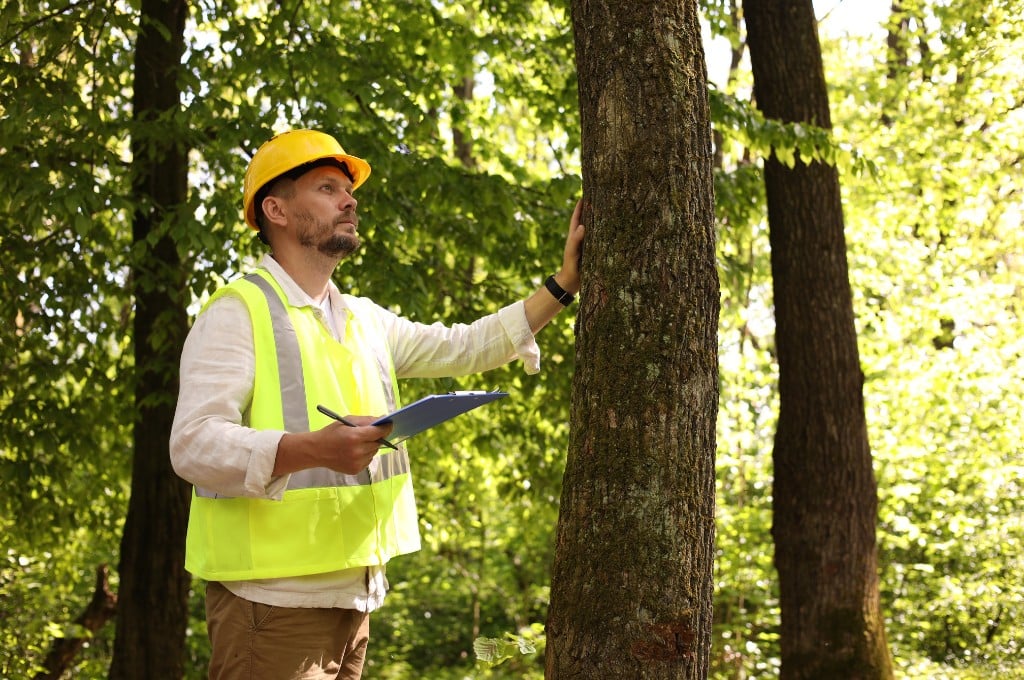
Professional tree inspections reveal hidden structural damage that homeowners can’t see from the ground, helping guide repair or removal decisions after a storm.
Get Professional Storm Damage Assessment for Your MetroWest Trees Today
The sooner you act after storm damage, the more options you’ll have. We’ve helped thousands of MetroWest homeowners determine whether a damaged tree can be saved or should be safely removed. A professional assessment within the first 48 hours can identify hidden structural damage before it becomes a bigger safety risk.
Don’t guess about your tree’s condition. If your property in Holliston, Natick, Marlborough, Southborough, or the MetroWest area has storm-damaged trees, request a free assessment from American Climbers. We provide 24/7 emergency evaluations and removals, so you can get expert guidance when it matters most. Call 508-497-8628 for immediate assistance or request a quote online.
Blog Topics
Recent Posts
What's Happening? Stay Informed!
Stay on top of local events, pest and disease updates, tree and landscape tips, and more. Delivered straight to your inbox each month.